


Arabic Curriculum for Preschool & Kindergarten
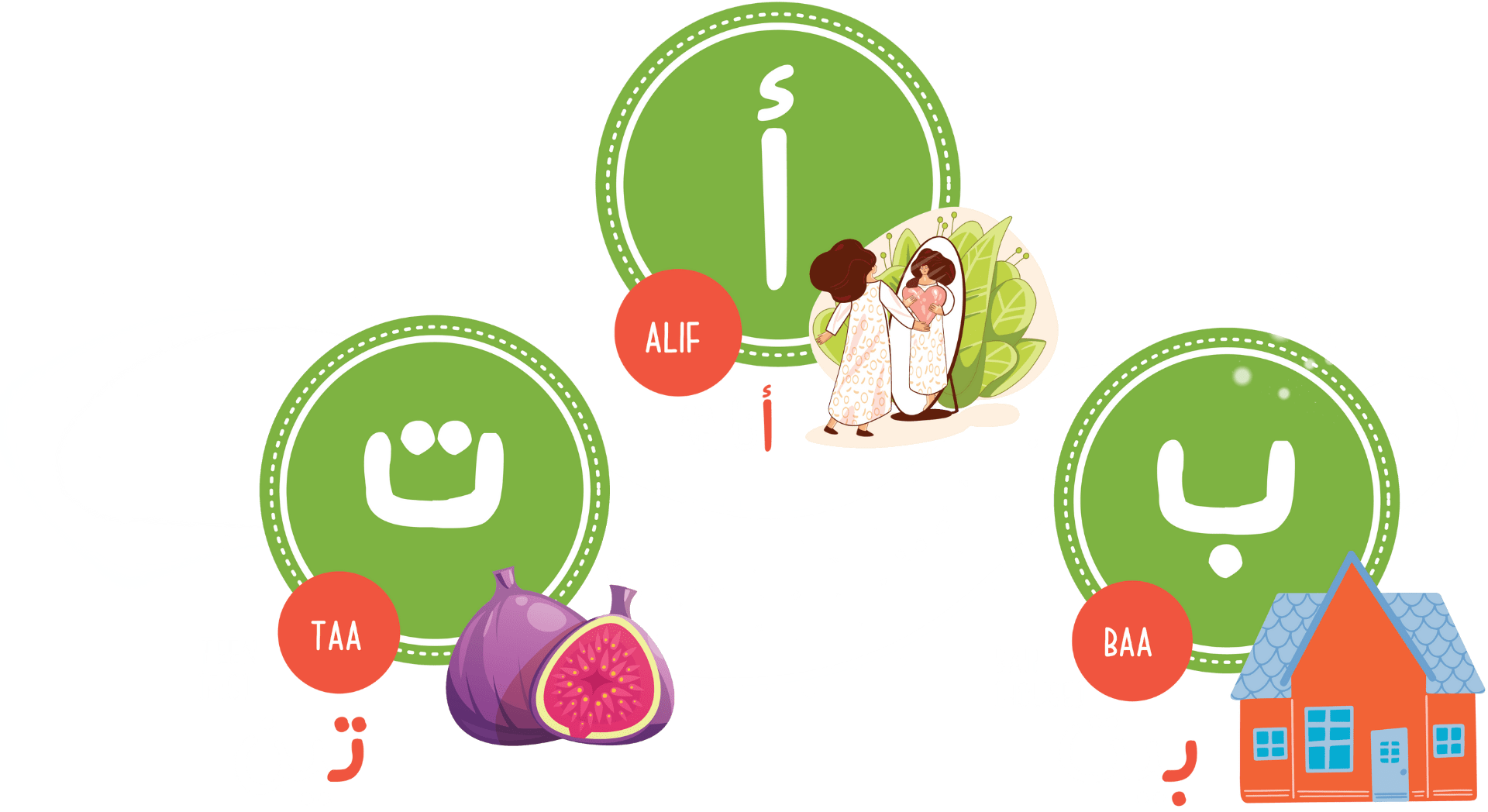
Our comprehensive Arabic curriculum for kids ages 3-5 makes learning the Arabic alphabet fun, engaging, and effective. Perfect for homeschool families, preschool teachers, and parents teaching Arabic at home.
What's Inside the Level 2 Arabic Curriculum for ages 3-5?
What's Inside the Level 2 Arabic Curriculum for ages 5-7?
28 Arabic Letter Units
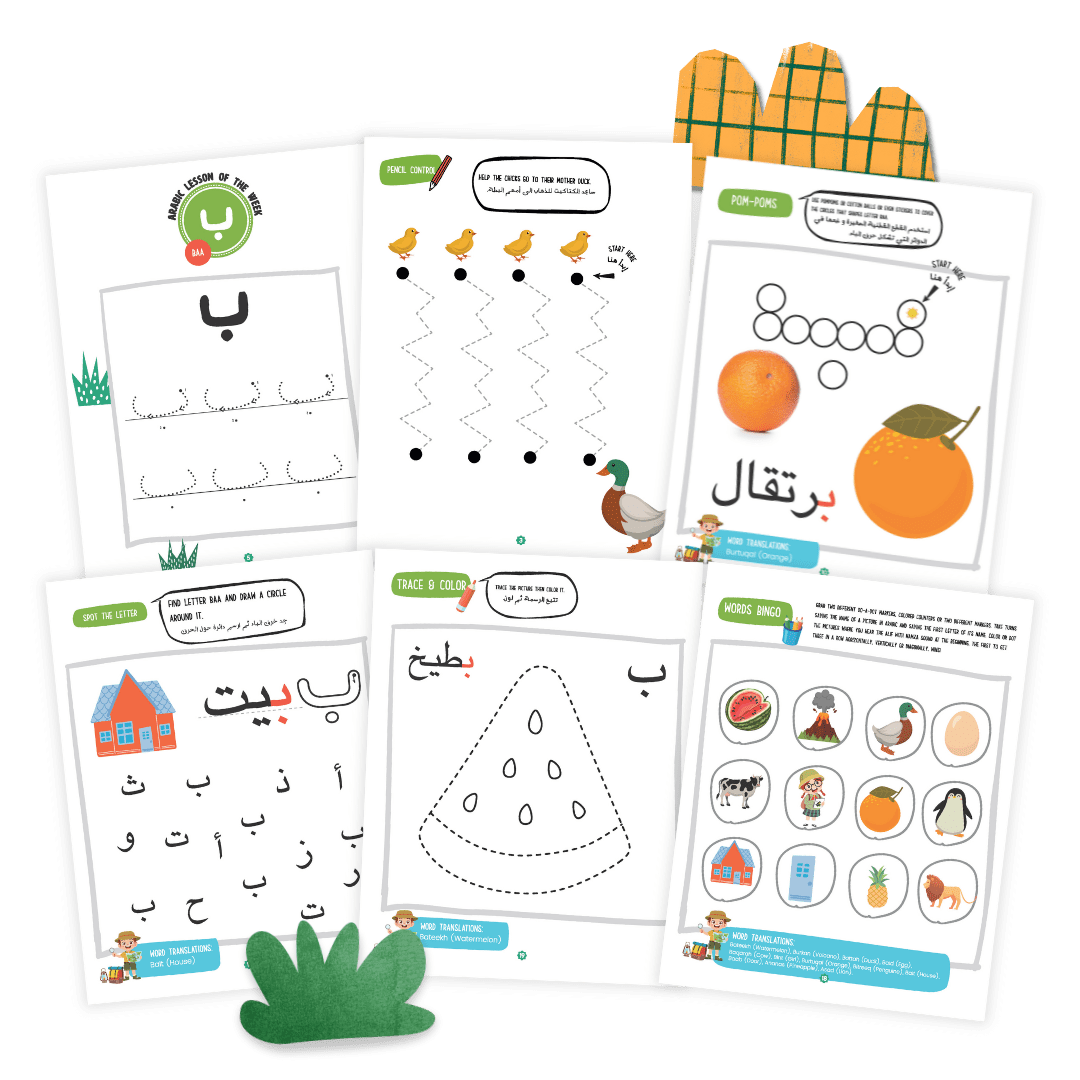
Our Arabic alphabet curriculum thoroughly covers every letter. Each Arabic letter unit includes:
Arabic letter recognition worksheets
Arabic writing practice with guided tracing worksheets
Arabic vocabulary words starting with each letter
Interactive Arabic activities for hands-on learning
Age-appropriate lessons designed for 3-5 year olds
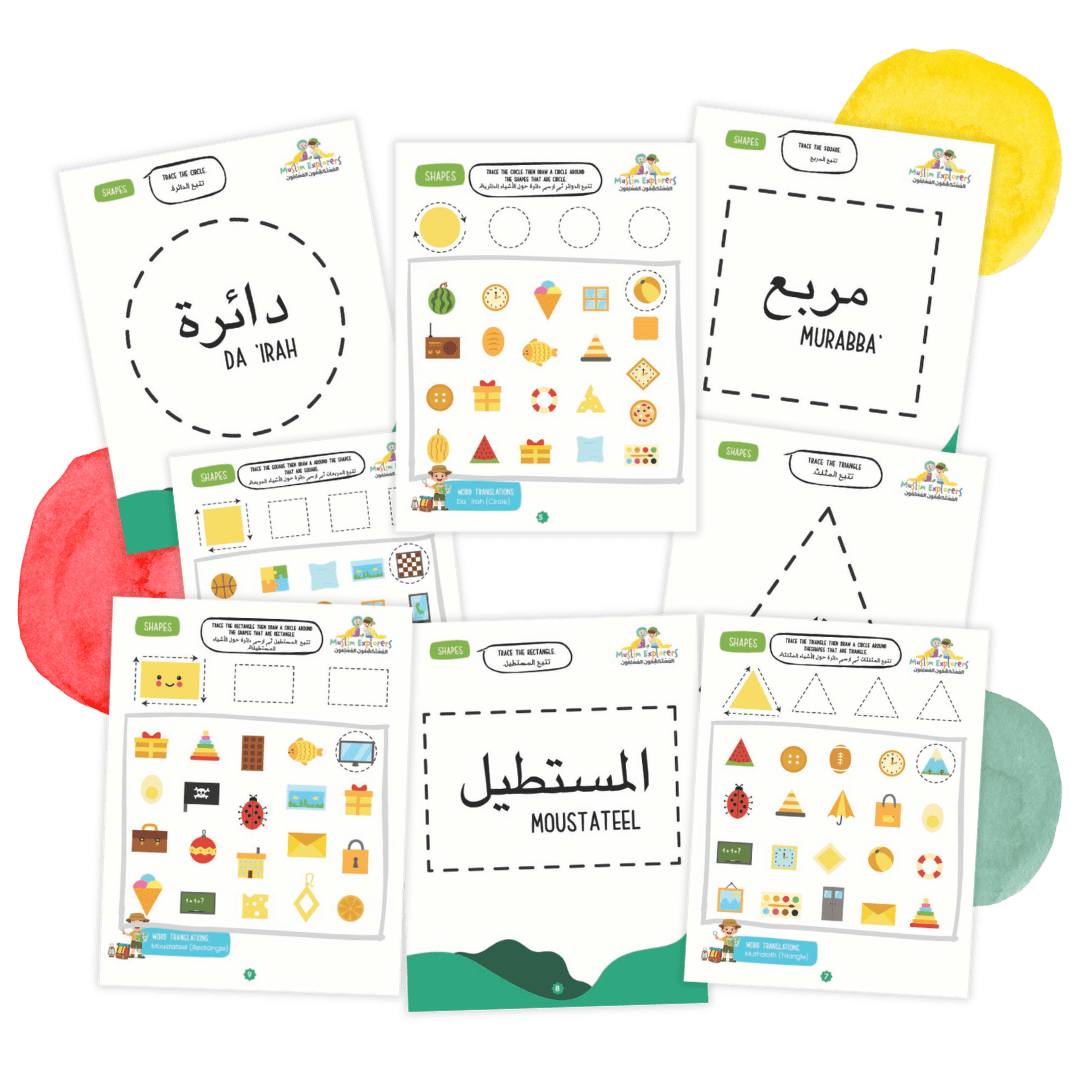
Bonus Worksheets
Shapes in Arabic
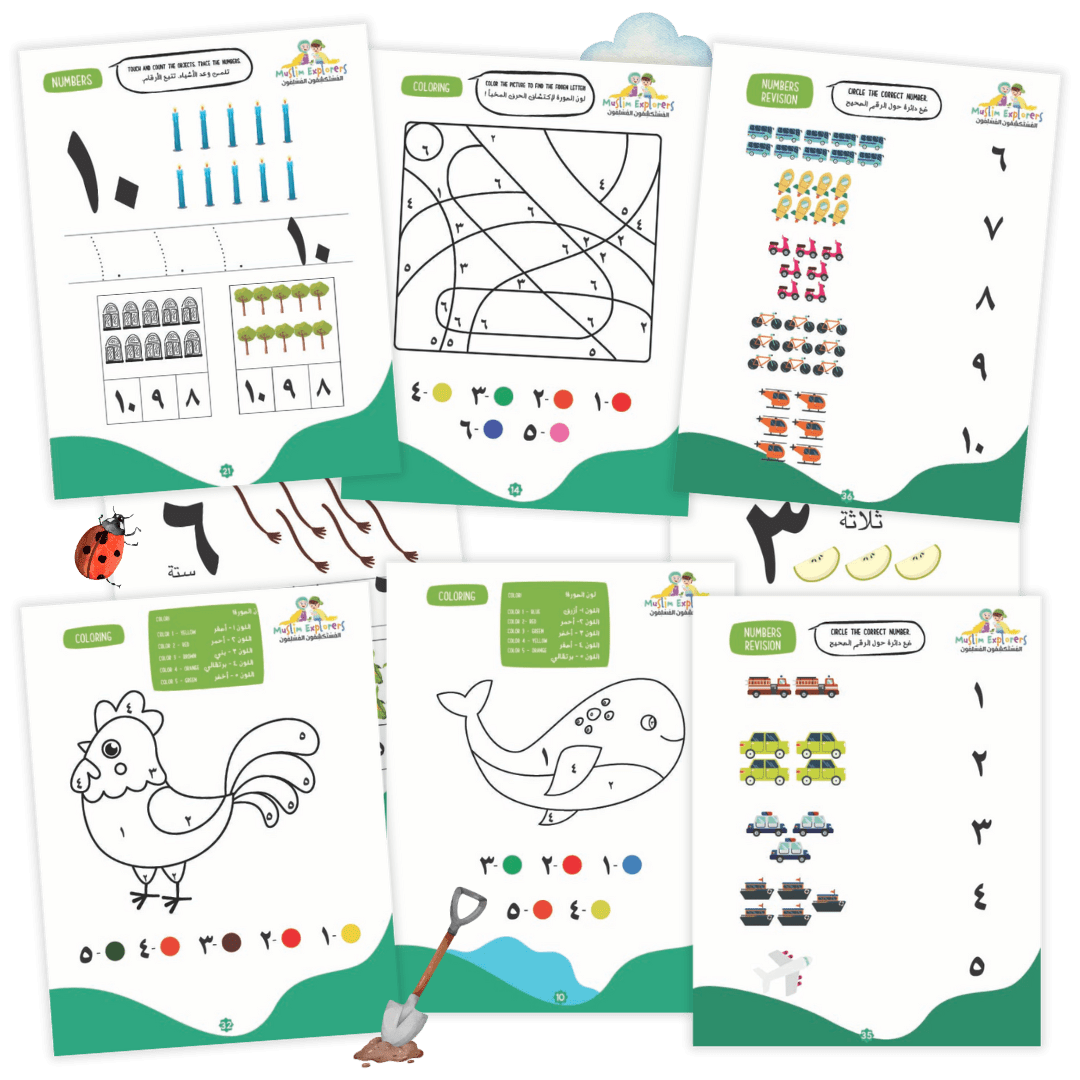
Numbers in Arabic
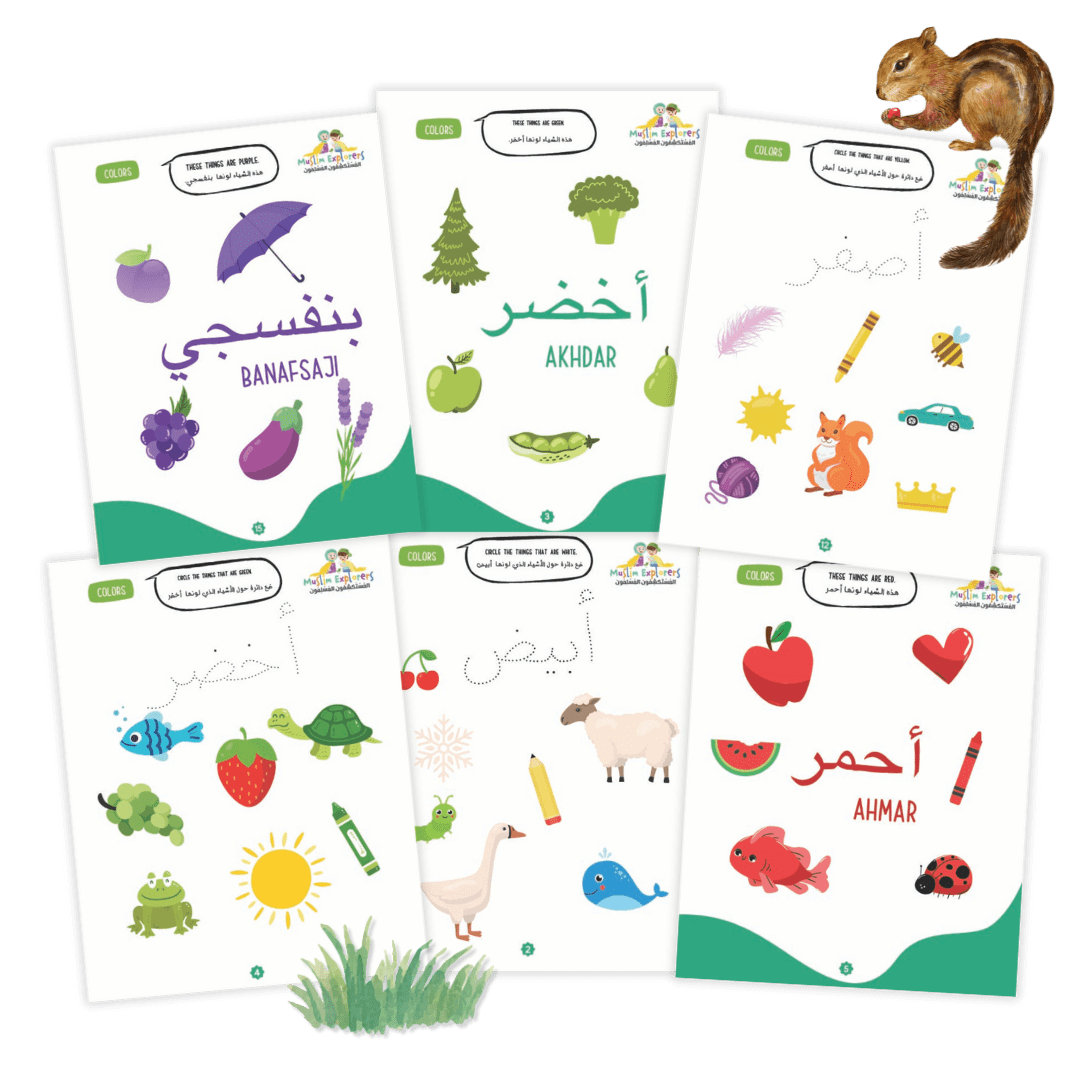
Colors in Arabic

Curriculum Features
Designed for Ages 3-5
Our Arabic curriculum for preschoolers is created by early childhood education experts who understand how young children learn languages best.
Multi-Sensory Arabic Learning
Visual, auditory, and hands-on activities ensure your child masters Arabic letters through multiple learning styles.

Complete Arabic Alphabet Curriculum
Easy to teach, even if you're not fluent in Arabic - includes teaching guides. No gaps in learning - every Arabic letter your child needs to become a confident Arabic reader.
Perfect for Homeschool Arabic
Structured Arabic homeschool curriculum that's easy to follow, even if you don't speak Arabic fluently.

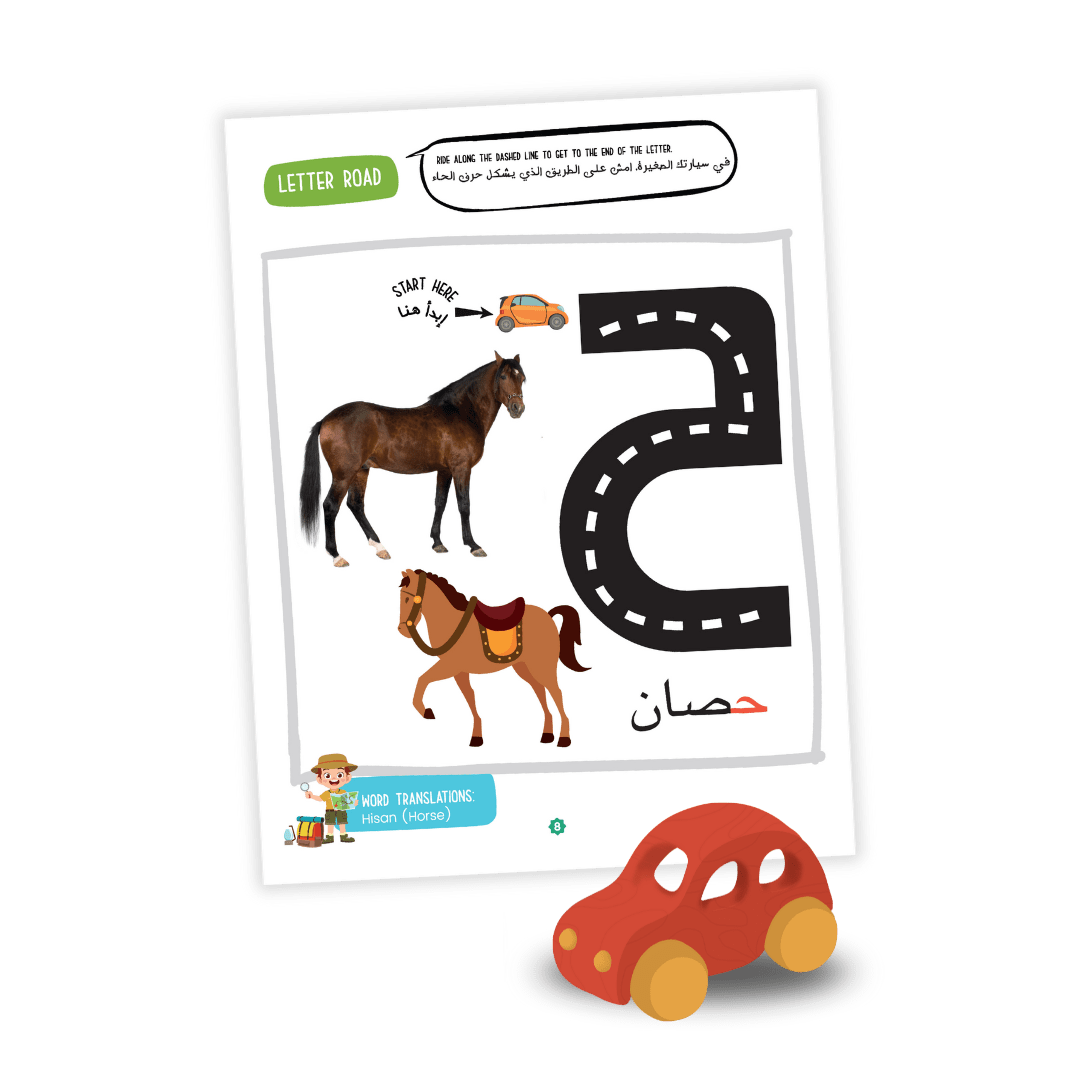
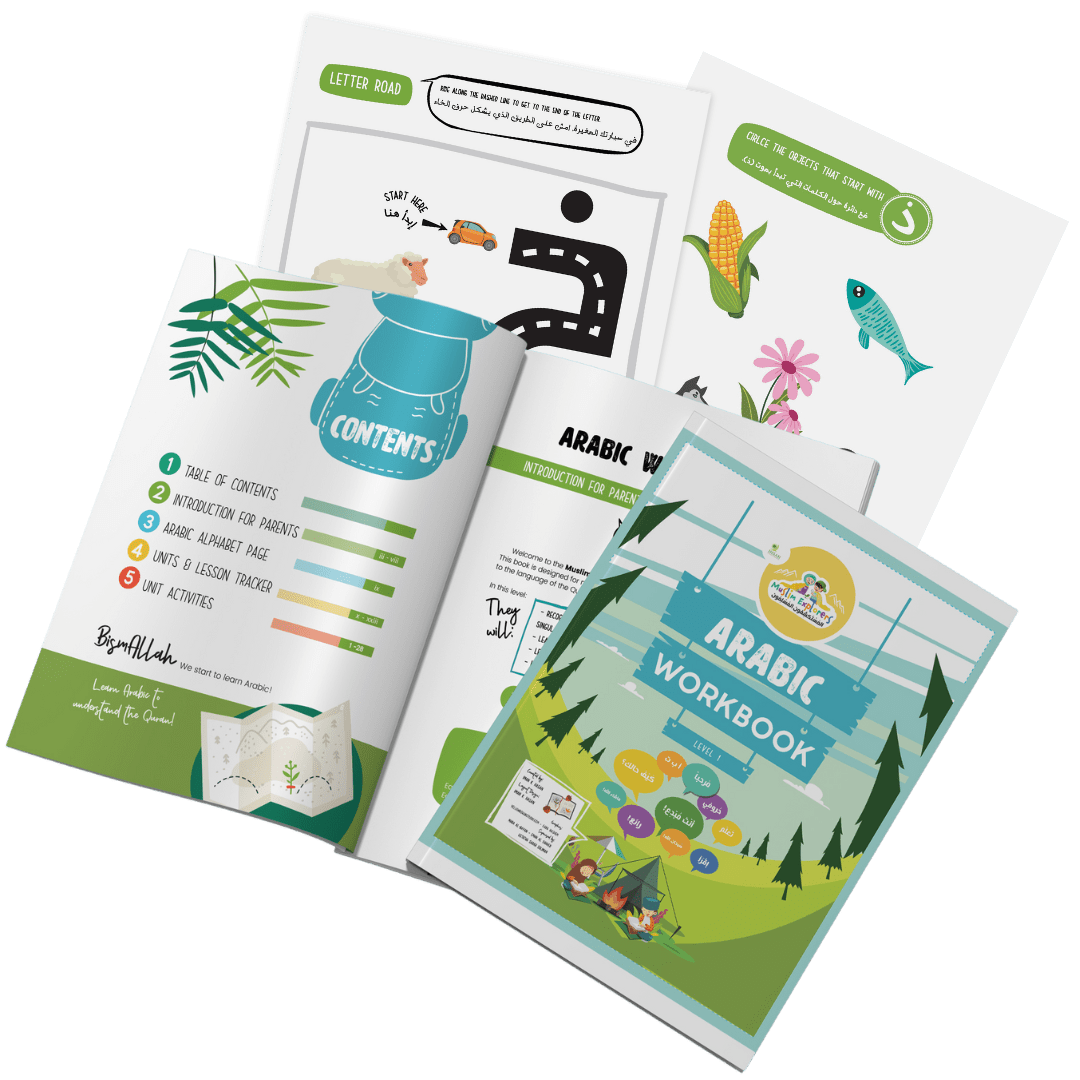
Each workbook includes multisensory pages such as
Letter Road Tracing — where children use a small toy car to ‘drive’ along the letter form.
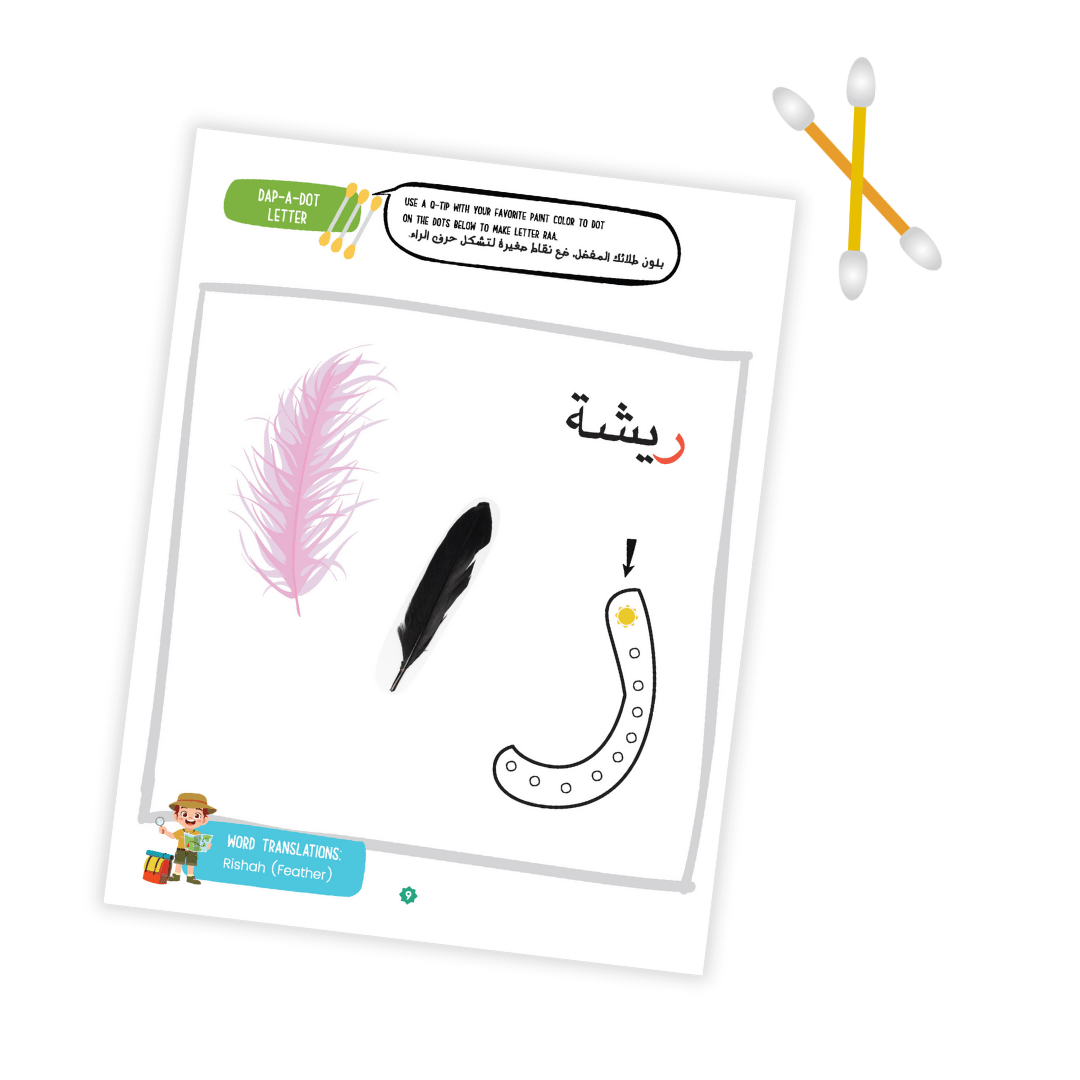
Q-tip Dot Painting — strengthening fine motor skills and letter recognition.
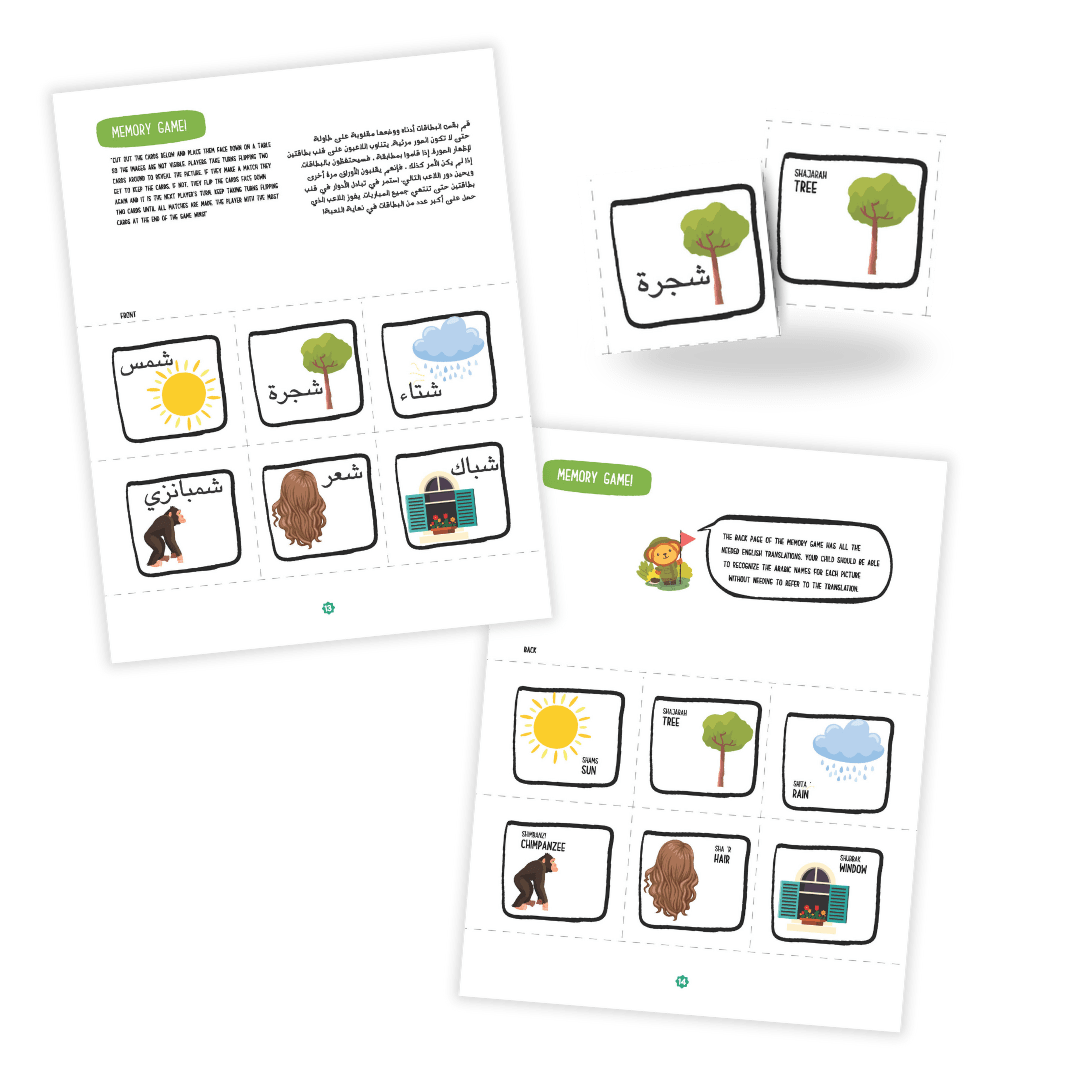
Hands-on matching game activity.

Who is this Arabic Curriculum for?
Homeschool parents seeking structured Arabic curriculum for kids
Muslim families building foundation for Quran reading
Bilingual households raising multilingual children
Preschool teachers needing Arabic language resources
Parents of 3-5 year olds ready to start Arabic education

Why start teaching your child Arabic at age 3?
The early childhood years (3-5) are the optimal window for language learning. Children who start learning Arabic early:
✨ Master Arabic pronunciation naturally - no accent issues later
✨ Build confidence before academic pressure begins
✨ Develop cognitive advantages through bilingualism
✨ Form deeper cultural connections with Arabic heritage
✨ Create strong foundation for Quran memorization
✨ Learn faster than older children or adults
Don't miss this critical window. Starting Arabic curriculum after age 7 becomes significantly harder.
Instant download - start the next lesson in 5 minutes
Arabic Curriculum FAQ
-
Yes! Our Arabic alphabet curriculum is designed for children with zero Arabic knowledge. We start from the very beginning.
-
Most families complete the 30-unit Arabic curriculum in 8-12 weeks, doing 2-3 lessons per week at a comfortable pace. If this is in a weekend program setting, it will be 28-32 weeks long.
-
No! Our Arabic curriculum includes pronunciation guides and is designed for non-Arabic speaking parents. Perfect for homeschool families.
-
Absolutely. The Arabic activities are thoughtfully designed for 3-year-old attention spans and developing motor skills, with built-in extensions to challenge children ages 4–6. Each lesson also includes hands-on sensory options to support learning through play.
-
Our Arabic curriculum combines letter learning with creative, play-based activities such as coloring, shape recognition, and hands-on exploration to keep young children engaged. It is intentionally designed specifically for ages 3–6, rather than adapted from materials meant for older learners.
What truly sets it apart is the child’s ability to learn and recognize each letter through multiple sensory experiences. By engaging touch, movement, sight, and creativity, the learning process activates different areas of the brain—building deeper understanding, stronger memory, and a more solid foundation in Arabic from the very beginning.
-
Yes! Many preschool and Islamic school teachers use our Arabic curriculum for group instruction.
-
Only basic, easy-to-find supplies are needed: crayons, Play-Doh, a small toy car, washable paint with Q-tips, Do-A-Dot markers (or pom-poms or stickers), scissors, glue, and colored pencils.
All Arabic worksheets and activity pages are fully included. -
Yes! This Arabic alphabet curriculum builds the foundational letter recognition and pronunciation needed for Quranic Arabic.

Confidently Start Your Child's Arabic Education Today
*
Confidently Start Your Child's Arabic Education Today *
The best time to start Arabic curriculum was yesterday. The second best time is today.
Instant digital download - start teaching Arabic in 5 minutes